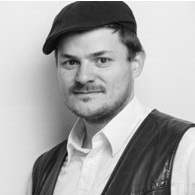

Ádám Gyula – photographer
1961, Csíkkarcfalva, RO
I worked in Balanbánya (romanian Bălan, a town in Transilvania) until 1990. Many Moldovans worked in Balanbánya, many of them were Csángós, and I noticed their unique speech and archaic features. We became friends with several of them, they were more courageous in using their own language in front of us, they invited us to their homes, and we went with increasing curiosity. And not just to open our mouths, but to save the Csángó culture. I became a photographer precisely in connection with Béla Bartók, who at the time set up the headquarters of his Szekler collecting tour in his home village. We heard a recorded speech by Péter Pál Domokos, who said that anyone who could should go over the mountains in the last hour and collect what still exists today, because tomorrow there would be nothing left.
When I started photographing, there was no electricity, now the whole Csángó land is covered with electricity wires and poles, and practically all of them are paved over.
There was in the mine a Hungarian engineer from Zilah who understood what I was doing and supported me.
https://fotomuveszet.net/korabbi_szamok/200802/keptelen_vagyok_atgazolni_a_helyzeteken
https://mmakademia.hu/alkoto/-/record/MMA55120
2023: corresponding member of the Hungarian Academy of Arts
https://nski.hu/20170503adam-gyula-fotomuvesz-kiallitasa.html
https://artkalauz.hu/adam-gyula-fotografiai-a-hagyomanyok-hazaban/
https://fotomuveszet2.nemzeti-szalon.hu/muvesz/index.php?mid=ohEbUkJPEbBFl8gRn38vVs
In 2008 he was awarded the Prize for Hungarian Art and in the same year he had a solo exhibition at the European Parliament.
https://kronikaonline.ro/kultura/a-bukaresti-parlamentben-nyilik-kiallitas-adam-gyula-csiki-fotomuvesznek-a-szekelyfoldrol-es-a-csangofoldrol-keszitett-kepeibol
Exhibition in the Parliament of Bucharest, February 2024.
https://maszol.ro/fotoriport/A-bucsu-lehetoseg-hogy-embereket-fotozzak-Adam-Gyula-fotomuvesszel-zarandokolunk-Csiksomlyora
Since the 1980s, he has been taking photos at the Basilica of St. Cyril
He starts his dawn pilgrimage in Karcfalva.
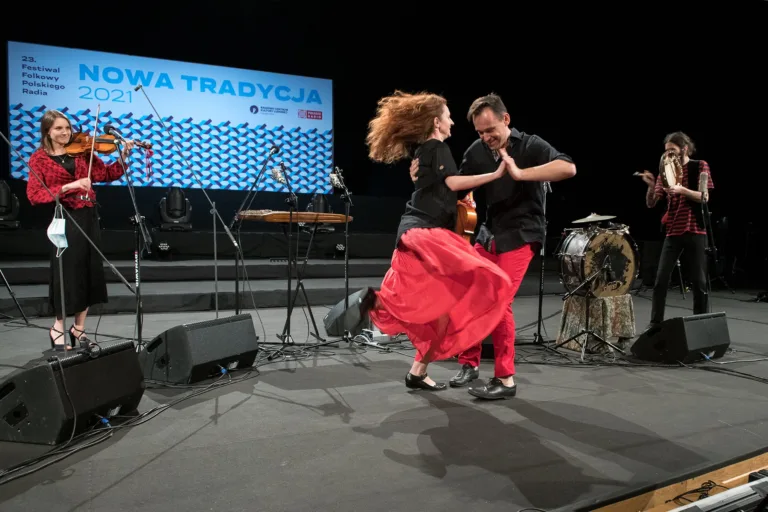
Pictures from the Gyimes International Dance Camp – https://ujkafe.website/?p=90422
https://www.magyarhirlap.hu/kultura/Adam_Gyula_csango_es_erdelyi_kepei_
Together with Zsolt Barabás, Gyula Ádám initially only wanted to document Csángó people.